The Town of Donaldson
This article was published on November 30, 1911, in the Weekly Republican newspaper. It’s interesting to get a look at the Town of Donaldson, back when it was a truly bustling community. Note that the location is described according to which railroad the town was adjacent to, as opposed to roads. I have edited very lightly for readability.
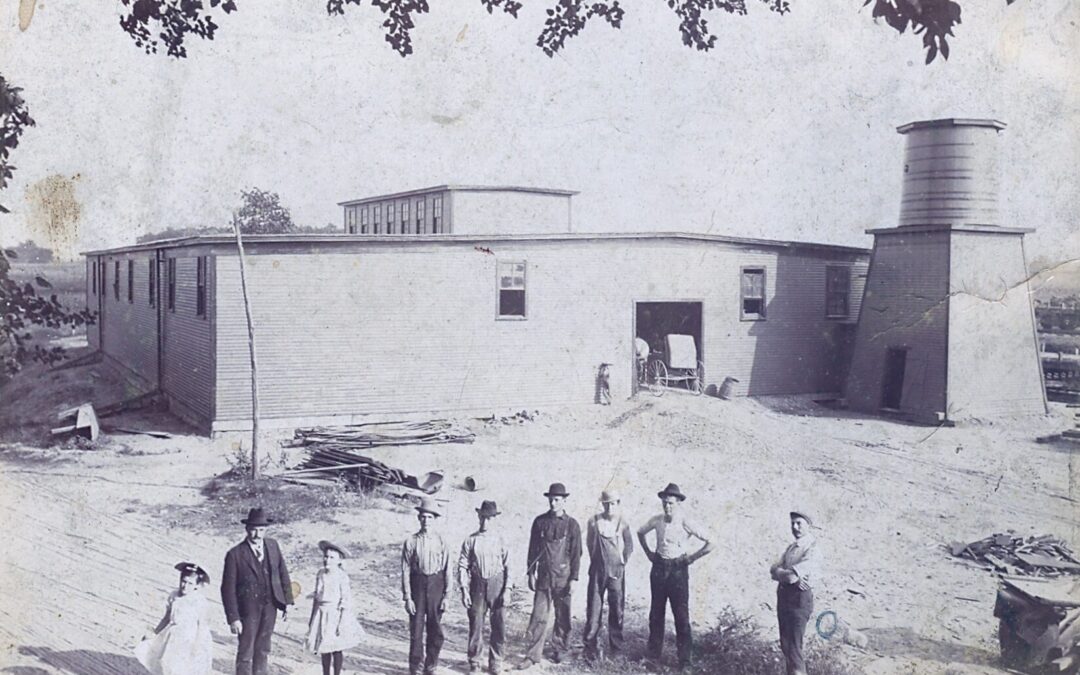
“One of the interesting centers of Marshall County is the town of Donaldson, eight miles west of Plymouth on the Pennsylvania railway. This is an energetic little town and a good business center. The two institutions which make the place of more than ordinary interest, and more than an ordinary trading point, is the presence of Schlosser Bros. creamery station and of the Heinz salting plant. These two industries bring a large amount of money into the community every year. Milk, pickles and onions are the special crops which make Donaldson a prosperous center. By far the most important of these is the creamery. Its steady stream of money in return for the steady stream of milk and cream furnishes the big part of the “life blood” of the business. Onion and pickle raising are good sources of income also, but their returns come in bunches in the fall.
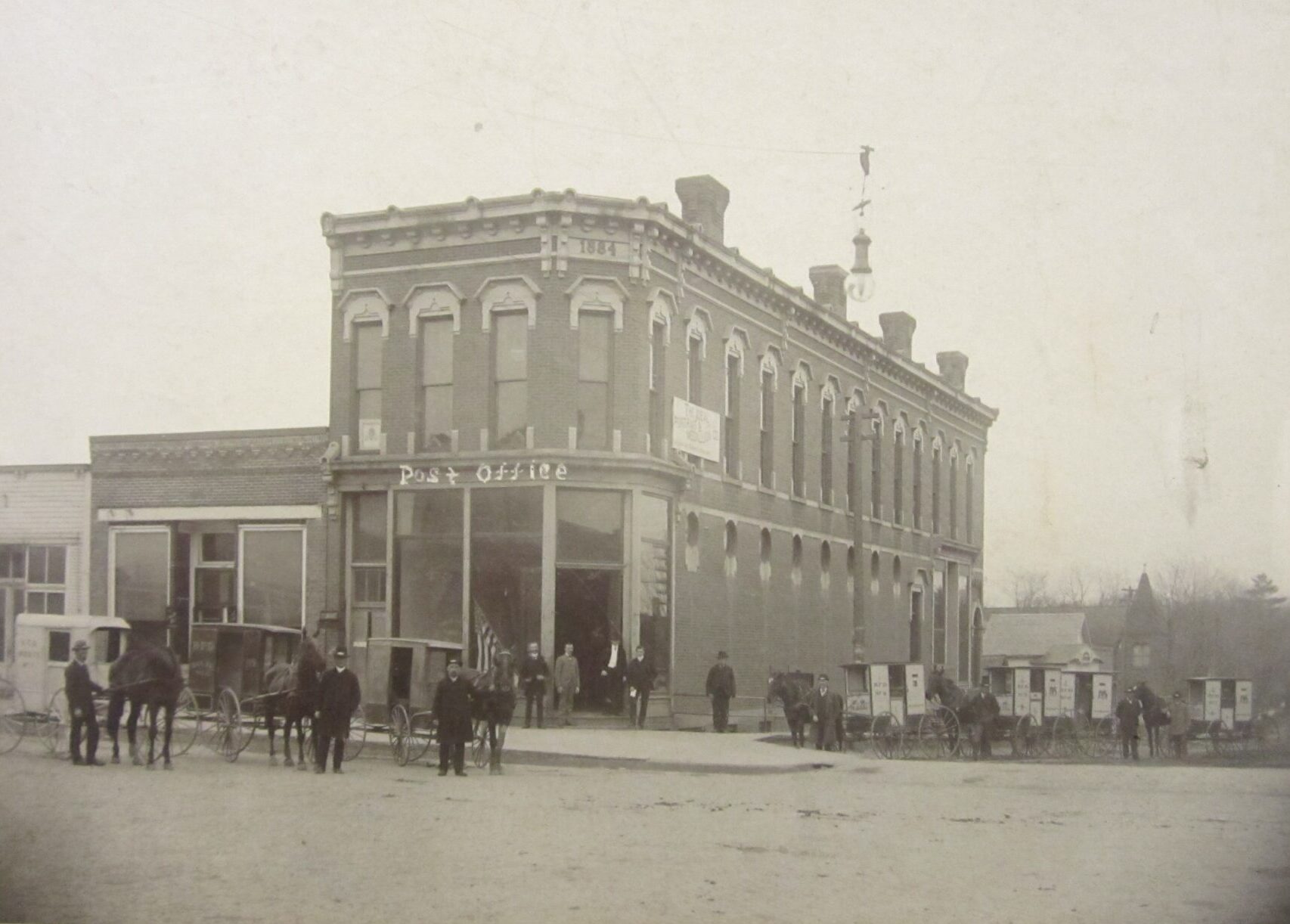
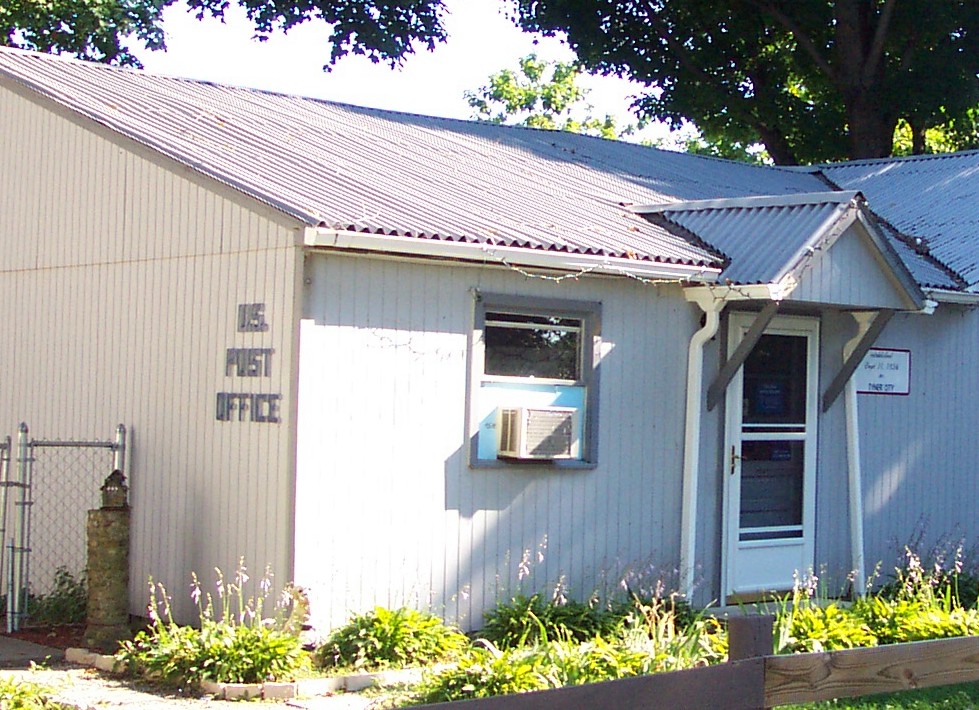
This goodly community has two good general stores, a blacksmith shop, meat market, a post office with a rural route, a railway station, hotel and livery, telephone exchange, United Brethren church and multi-graded schools. Donaldson needs a good physician. A large amount of veal, chickens and turkeys are shipped annually from Donaldson to Chicago. It is no uncommon sight to see two trucks full ready for shipment. It is estimated that about 500 dressed veal are shipped from here annually.
From 12 to 14 carloads of onions are shipped from Donaldson each fall, and this industry is increasing, as there is much land in this vicinity adapted to that kind of crop. The largest onion growers here are Nils Pearson, Lewis Seibert and Victor Newburg.
The largest pickle growers are Victor Newburg, who from 2 1/2 acres this year received $523.34: John Lavine, who got $195.01 from 1 1/2 acres; Andrew Bergstedt, who got $173.81 from l 1/4 acre and John Anderson, who received $126.98 from one acre.
Donaldson may congratulate itself that it has a very fine blacksmith shop. Mr. C. T. Danielson erected last summer a new building, 24 feet X 50 feet, and it is well equipped for the trade. It has a cement and wood floor combined. He learned his trade thoroughly when he learned it many years ago, and one will get here only the best of work. He makes a specialty of horseshoeing and knows that work in all its details. He is also equipped for and does all kinds of wagon work. Owing to the excellent character of his work, he draws trade from far to the north, from the south and from miles into Starke County.
In 1905 Mr. J. D. Garrison erected a splendid and well-equipped storeroom about a block north of the railway and opened a first-class general store. Here in neat arrangement, one may find those wares in the line of groceries, dry goods, clothing, rubbers and shoes, hardware, tinware, flour, horse blankets and saddlery goods, school supplies, etc., etc., which are the necessities of a country community. On entering this store, one is impressed with its cleanliness and neatness, and with the unusually large stock of all goods carried for the benefit of the community. Mr. Garrison is a careful and accommodating businessman and has built up a large and lucrative business which is still growing at a rate pleasing to the owner.
- J. Burgener has conducted a general store at Donaldson for 23 years and there is no one within a radius of miles who does not know him and his store. This wide acquaintance, coupled with fair dealing with all customers, has made his a large and constant business. About two years ago Mr. Burgener decided to move to Chicago, and in order to continue the business in the same good way he associated with him Mr. Albert Baum, a well-known young man of the community who has since been in active charge of the store. Mr. Baum is also acting agent for the Adams Express Co. and looks after the large express business connected with this trade center.
Mr. Burgener is also president of the Donaldson telephone company and was with others instrumental in forming this valuable local system, which not only gives the community good local service but allows them to reach without extra charge all the patrons of the Winona Telephone company in Plymouth. Mr. Hayes Munn is secretary of the company, E. R. Day treasurer, and F. H. Bollinger a director.”
The MCHS archives contain microfilm of all of the county newspapers. If you need to research a place or an event, we have the information and the way to read it efficiently. Stop by between 10:00 and 4:00 from Tuesday through Saturday at 123 N. Michigan St. and let us help you research your favorite topic! Call us at 574-936-2306.